Best eSIM for Japan in 2026

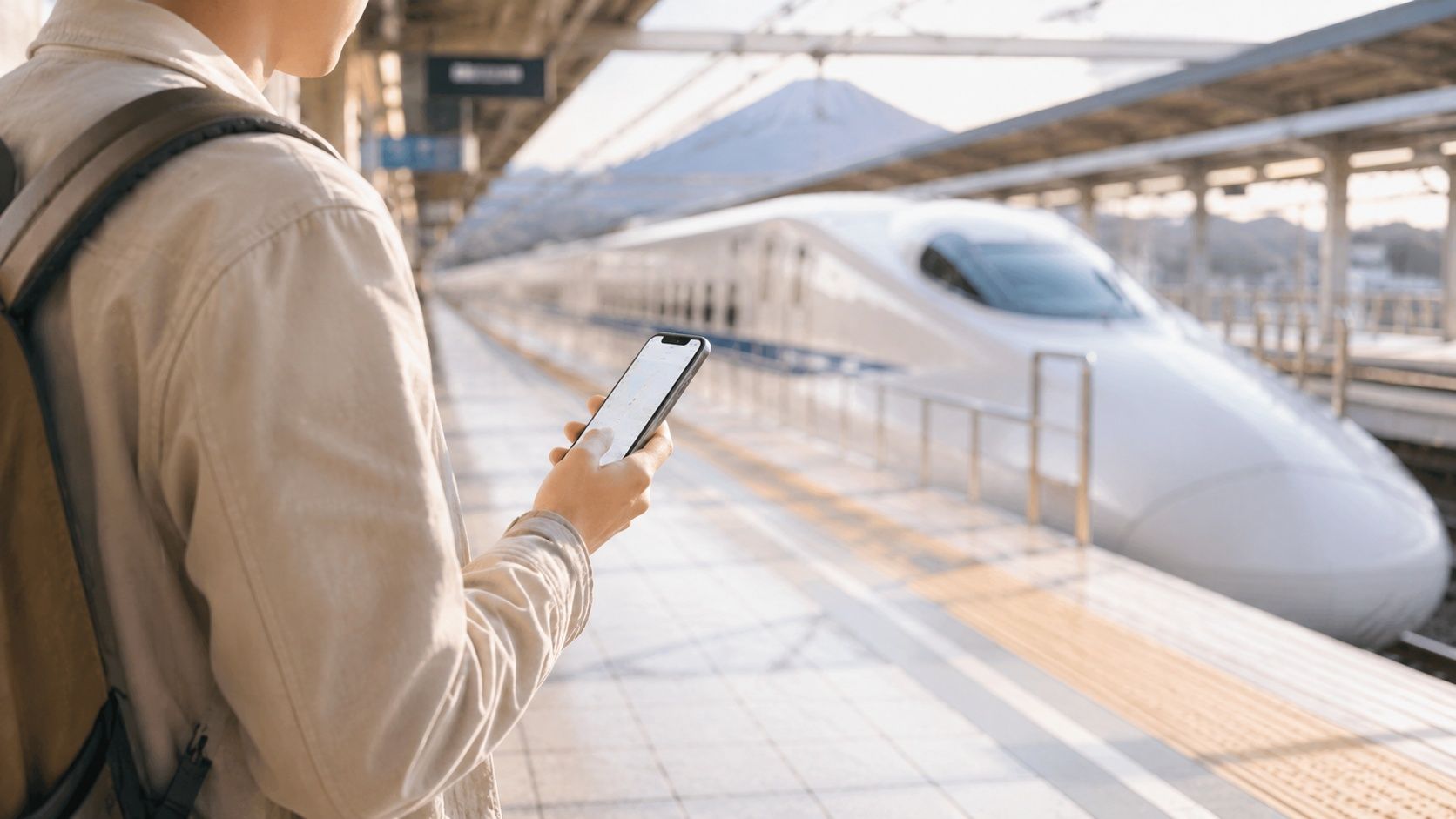
The best eSIM for Japan is the plan sized to your itinerary, installed at home before you fly: 5 GB covers a typical city week, 10 to 15 GB suits mixed travel with day trips and 20 GB is the safe pick for two weeks, rural routes or remote work. Japan uses more data than most destinations, with translation apps, navigation and transit planning running constantly, so pick the larger plan when in doubt. Installing early costs you nothing, because validity only starts when you first use data in Japan.
Browse Japan eSIM plans to see available options and pricing.
How much data do you need in Japan?
The average traveller uses 600 to 700 MB per day, or around 5 GB for a week. Pick a plan that reflects that, not just your messaging habits at home.
What coverage should you expect in Japan?
Nationwide 4G and 5G coverage is strong in Japan's cities and along the major rail and road corridors. Tokyo, Osaka, Kyoto and the Shinkansen routes between them are all well served.
Coverage in remote mountain areas and on smaller islands can vary. If your route heads somewhere remote, into the Japanese Alps, rural Hokkaido or the outer islands, download offline maps before you set out so navigation keeps working between signal pockets.
Install before you fly
Download your eSIM at home over Wi-Fi before your trip. You can't install it fresh at the airport without an existing internet connection, and the SIM counters at Narita add unnecessary time on arrival.
Installing early doesn't shorten your plan. Validity starts when you first use data in Japan, not when you buy the eSIM or install it. Your plan's ready when you land.
Set your home SIM as the default for calls and texts, and set the eSIM as the data line. This keeps your regular number reachable while using the Japan plan for all data. Full setup steps are in the iPhone installation guide and Android guide.
Frequently asked questions
- Most travellers use 4 to 5 GB across a seven-day trip. Daily use of maps, transit apps, messaging and translation adds up to 600 to 700 MB per day. A 5 GB plan covers a typical week. If you stream, tether a laptop or upload regularly, 10 GB is more comfortable.
- Yes. Coverage is strong in cities, towns and along the main travel corridors. In remote mountain areas, on smaller islands and in Hokkaido's interior signal can vary, so download offline maps before heading anywhere remote.
- Yes. Set your home SIM as the default for calls and texts, and the eSIM as the data line. Both run simultaneously, so your regular number stays reachable for calls and banking 2FA while the eSIM handles all data.
- Yes. On iPhone, check under Settings → General → About. It should show "No SIM restrictions." On Android, check under Settings → Network → SIM management. If your device is locked to a carrier, contact them to request an unlock before purchasing an eSIM.
- At home, before your flight, over Wi-Fi. Installing early doesn't reduce your plan. Validity only begins when you first use data in Japan.
Itinerary sorted? Find your Japan eSIM plan and you're connected when you land.
- At home, before your flight, over Wi-Fi. Installing early doesn't reduce your plan. Validity only begins when you first use data in Japan.


Landing in a new city?
Get your eSIM sorted before you touch down